Monthly giving programs: what is a recurring donor worth?
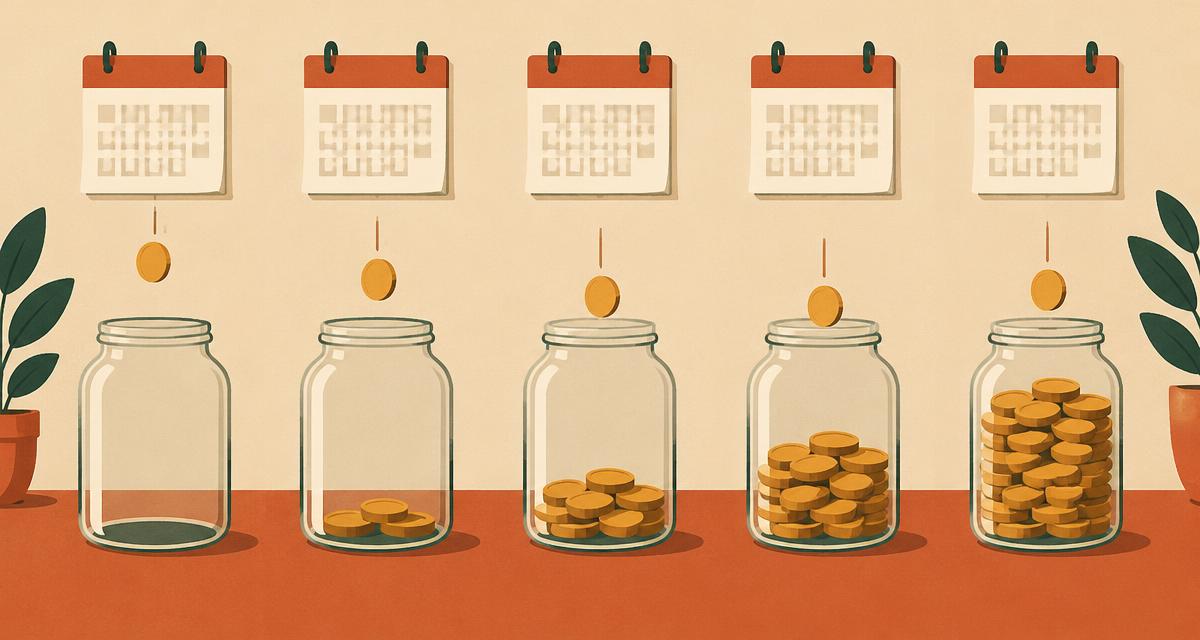
A monthly giving program asks supporters to give a set amount every month. It's worth investing in when the steady giving from new monthly donors, over the years they stay, covers the cost of promoting it. Monthly donors often stay longer than one-time donors, so even small gifts add up. Calculate it below.
Worked example. Change any number to use yours.
With 30 new donors, as promised
Year 1
+$3,000
Comes out ahead
3 years
+$9,195
Comes out ahead
Needs about 15 new donors in year one, or 8 over 3 years.
I don't know our numbers
Use figures from your donor database or spreadsheet.
Average gift: $0 · Retention: 0 in 10
With 30 new donors, as promised
Year 1
+$3,000
Comes out ahead
3 years
+$9,195
Comes out ahead
At $500/month for 6 months, this needs to bring in $3,000 in new giving, about 15 new donors at your average gift. If 4 in 10 give again next year, about 8 new donors would pay it off within 3 years.
Worth it in year one
First-year giving covers the cost.
- Cost to raise $1
- $0.25
- Worth up to
- $2,033/month
How did we get this?
$3,000 cost ÷ $12,195 giving over 3 yrs
How did we get this?
(30 donors × $407 − $0 setup) ÷ 6 months − $0 staff time
Based on what they're promising, this is worth up to $2,033/month to your organization.
- New donors per active month to break even
- 2
- Most you can spend to gain one donor
- $407
How did we get this?
8 donors ÷ 6 active months
How did we get this?
That's what one new donor gives over 3 yrs, after fees. Year one only: $200.
Details
- Break-even, first year: 15 donors ($3,000 ÷ $200 per donor)
- Break-even, 3-year view: 8 donors ($3,000 ÷ $407 per donor)
- Full cost: $3,000 = $0 setup + ($500 fee + $0 staff and volunteer time) × 6 months
- Blend: 5 in 10 one-time donors, 5 in 10 monthly donors
Make the case to your board
Already started? Check in on progress
Was this useful? Tell Paul
Is It Worth It? for Nonprofits · Board summary
Board summary: Something else
Inputs: $500/month, 6 months, setup $0, staff 0 hrs/month at $0, average gift $100, 4/10 give again, 3-year view.
Verdict: Worth it in year one. Year 1: $3,000. 3 years: $9,195.
Questions we asked the vendor: Do you understand donor journeys and recurring giving? Who owns our donor data, website, and ad accounts if we part ways? How will you report new donors? When should we expect results, and what's the plan if they don't come?
Estimates for planning only. Not financial or tax advice.
What a monthly giving program is
It's an easy way for supporters to give automatically each month. Many nonprofits give the program a name, share regular updates with members, and make it the default suggestion on the donation page.
How to start one
Make sure your donation form offers a monthly option, ideally right at the top. Pick a simple name. Ask current donors first, since they already trust you. Thank monthly donors often and show them what their steady support does.
Ask on your thank-you page, in your welcome emails, and in one or two appeals a year.
Why the math looks different
A $25 monthly gift is $300 a year. If that donor keeps giving for a few years, they're often worth far more than a one-time donor. The calculator lets you set how many new donors give monthly and how many out of 10 keep going each year.
Worked example
Hypothetical: promoting a monthly program costs $500 a month for 6 months. It brings 5 new donors a month, and half give $25 monthly. If 7 in 10 monthly donors keep giving each year, each monthly donor is worth about $657 over 3 years.
What you're actually paying for
- Promotion: emails, ads, or outside help to recruit members.
- A donation form that handles recurring gifts well.
- Staff time to thank and update monthly donors.
- Processing fees on every monthly gift.
Questions to ask vendors
- Do you understand donor journeys and recurring giving?
- Who owns our donor data, website, and ad accounts if we part ways?
- How will you report new donors, not just traffic or impressions?
- When should we expect results, and what's the plan if they don't come?
- How will you recruit monthly donors, not just one-time ones?
- How do you keep monthly donors from canceling?
How to tell if it's working
- Ask "How did you hear about us?" on your donation form.
- Use a separate link for each channel so gifts can be traced back.
- Count new donors from this channel every month, not just clicks or visits.
- Review monthly with the check-in tool on this page.
- Track how many monthly donors you have each month and how many cancel.
How we calculate
- Full cost = setup fee + (monthly fee + staff hours × hourly cost + volunteer hours × hourly value) × months.
- Value of one new donor over N years = (first gift + later gift × (r + r² + ... + r^(N−1))) × gifts per year × (1 − processing fee) − thank-you cost, where r is how many out of 10 give again, divided by 10.
- Monthly donors are valued at monthly gift × 12 for each year they keep giving.
- Break-even new donors = full cost (minus the value of other goals you enter) ÷ value of one new donor, rounded up.
- Cost to raise $1 = full cost ÷ giving over the time frame.
- Most it's worth paying per month = (promised donors × donor value − setup fee) ÷ months − staff time per month.
Questions people ask
How much should a monthly gift be?
Offer a few simple choices. Even small amounts add up over years. Enter your own average in the calculator.
Do monthly donors really stay longer?
Many organizations find they do. Use your own records: of last year's monthly donors, how many are still giving?
Should we name our monthly giving program?
A name can help people feel part of something. It's not required.
About the builder
Built by Paul Watley
Paul is the Director of SEO at Tandem Theory in Dallas, Texas. He builds websites and helps them get found through search and digital marketing. He is originally from Nebraska and now lives in Dallas with his wife, their three kids, and Sunny, their dog.
He built this free tool because nonprofits get the same sales pitches businesses do, with less money and less time to check the math. Put in your own numbers and decide for yourself.